

RCAC hosts in-person StreamCI workshop
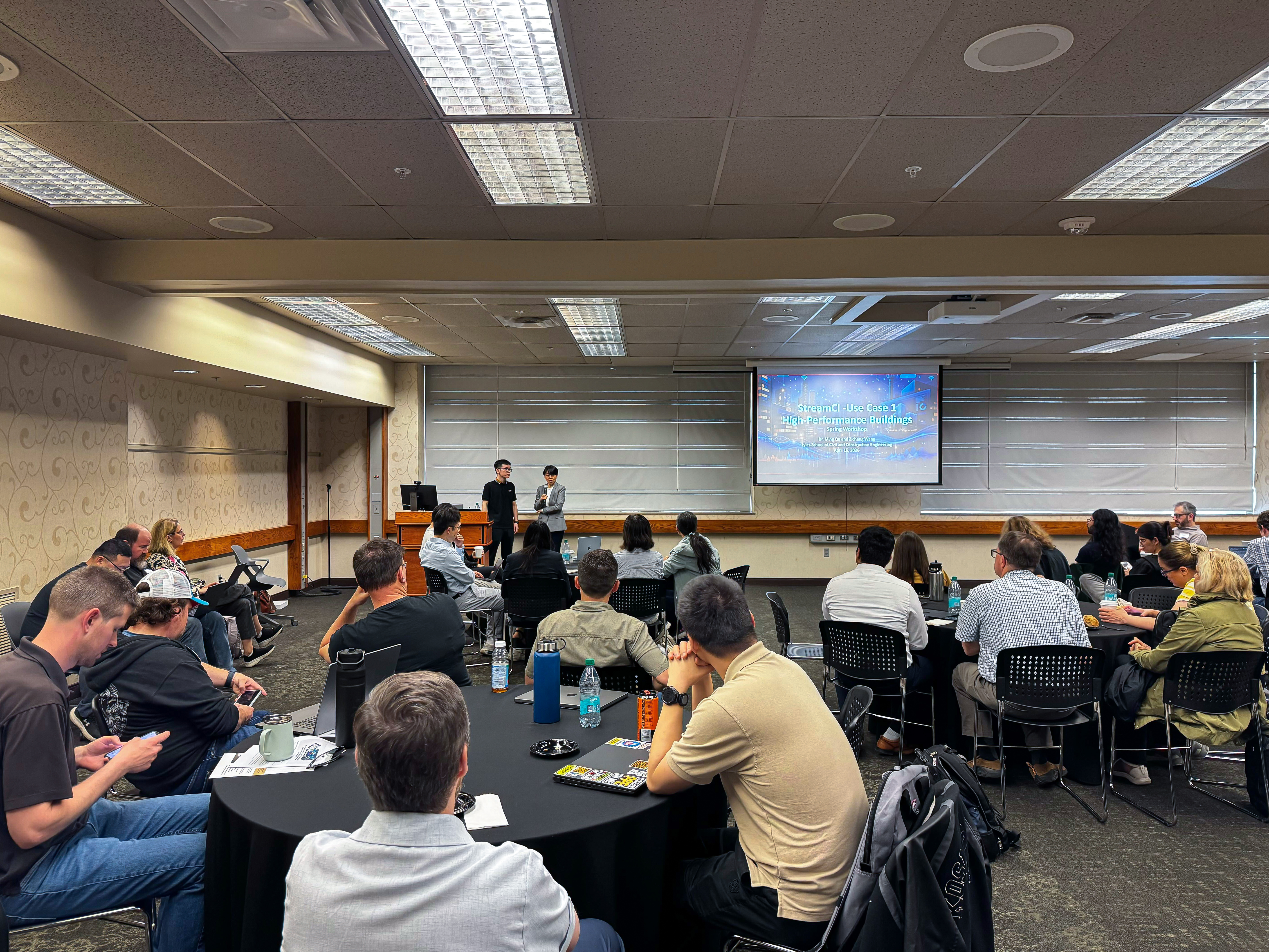
Last month, the StreamCI project team hosted an in-person StreamCI Spring Workshop. The workshop brought together researchers, research software engineers (RSEs), and cyberinfrastructure partners to explore how StreamCI can accelerate research, enable new analytical workflows, and support scalable, reproducible science.
StreamCI is 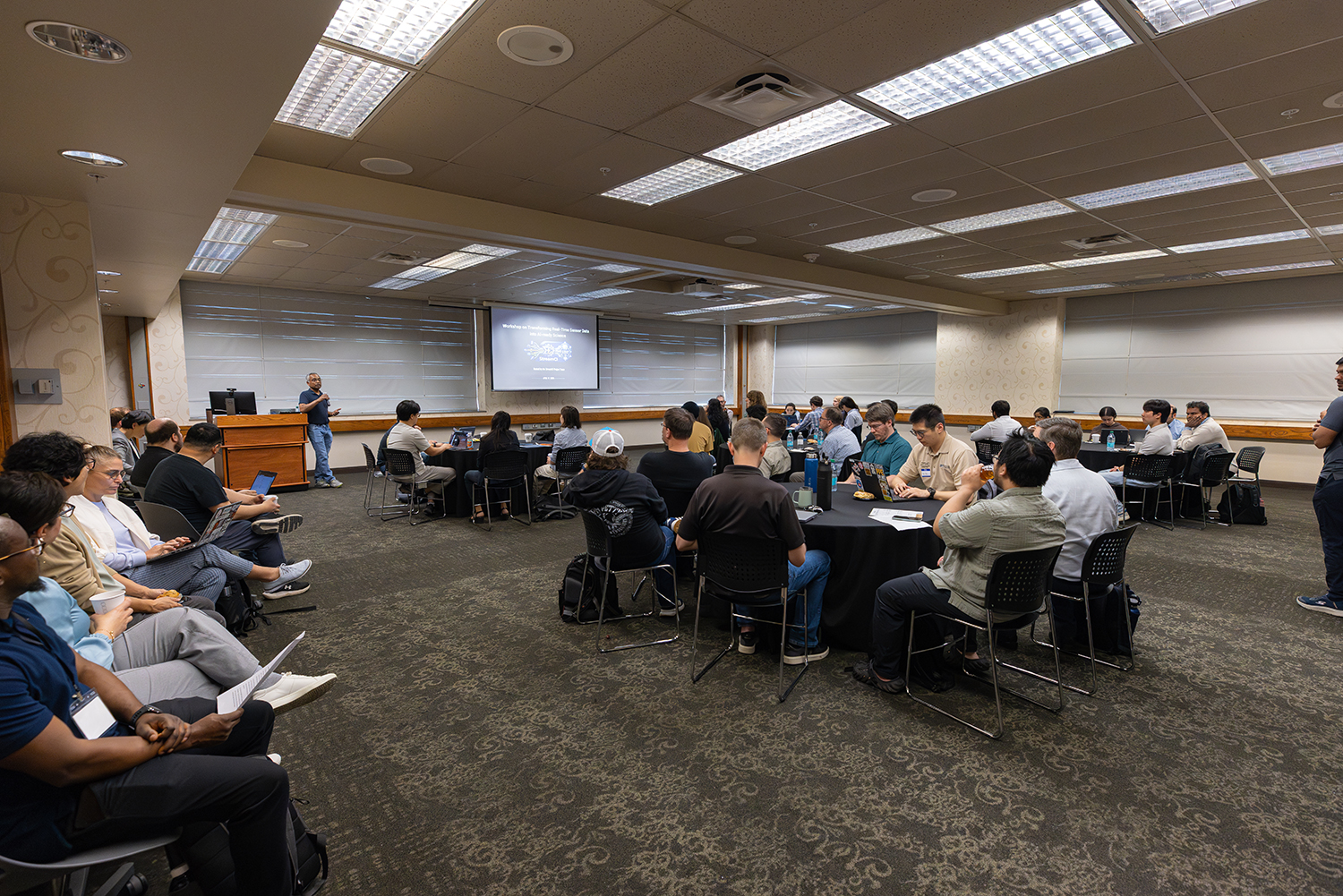 a real-time sensor data management and processing infrastructure. Funded by a $4 million grant via the NSF CSSI program, StreamCI is designed as an artificial intelligence (AI)-ready streaming data platform used to support diverse scientific applications. The platform significantly lowers the barrier for domain scientists to manage their sensor data and develop streaming data–driven ML/AI models, analyses, and applications. To demonstrate the new platform features and highlight multiple use cases, RCAC hosted the StreamCI Spring Workshop on April 17th at Purdue University’s West Lafayette campus.
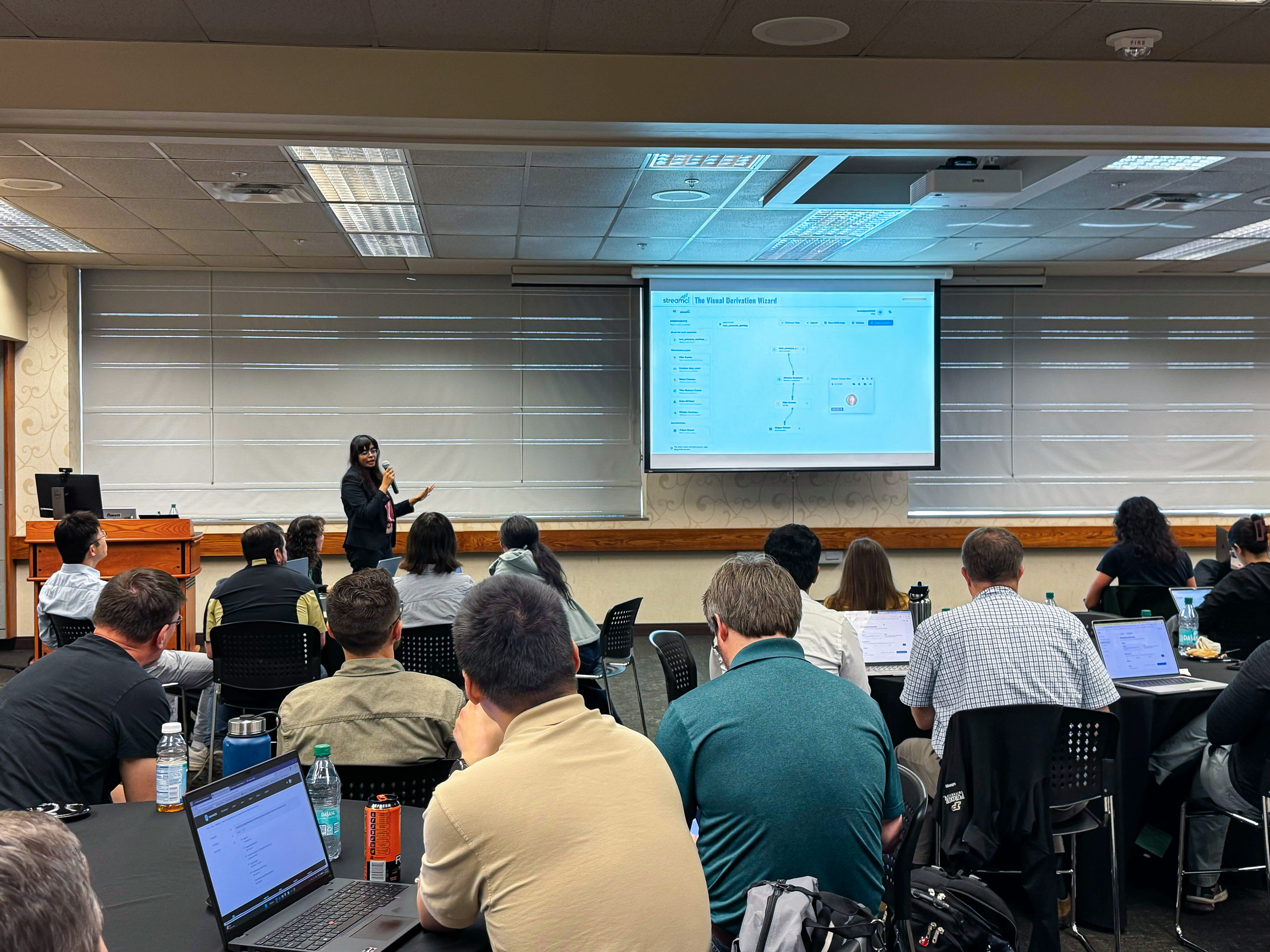
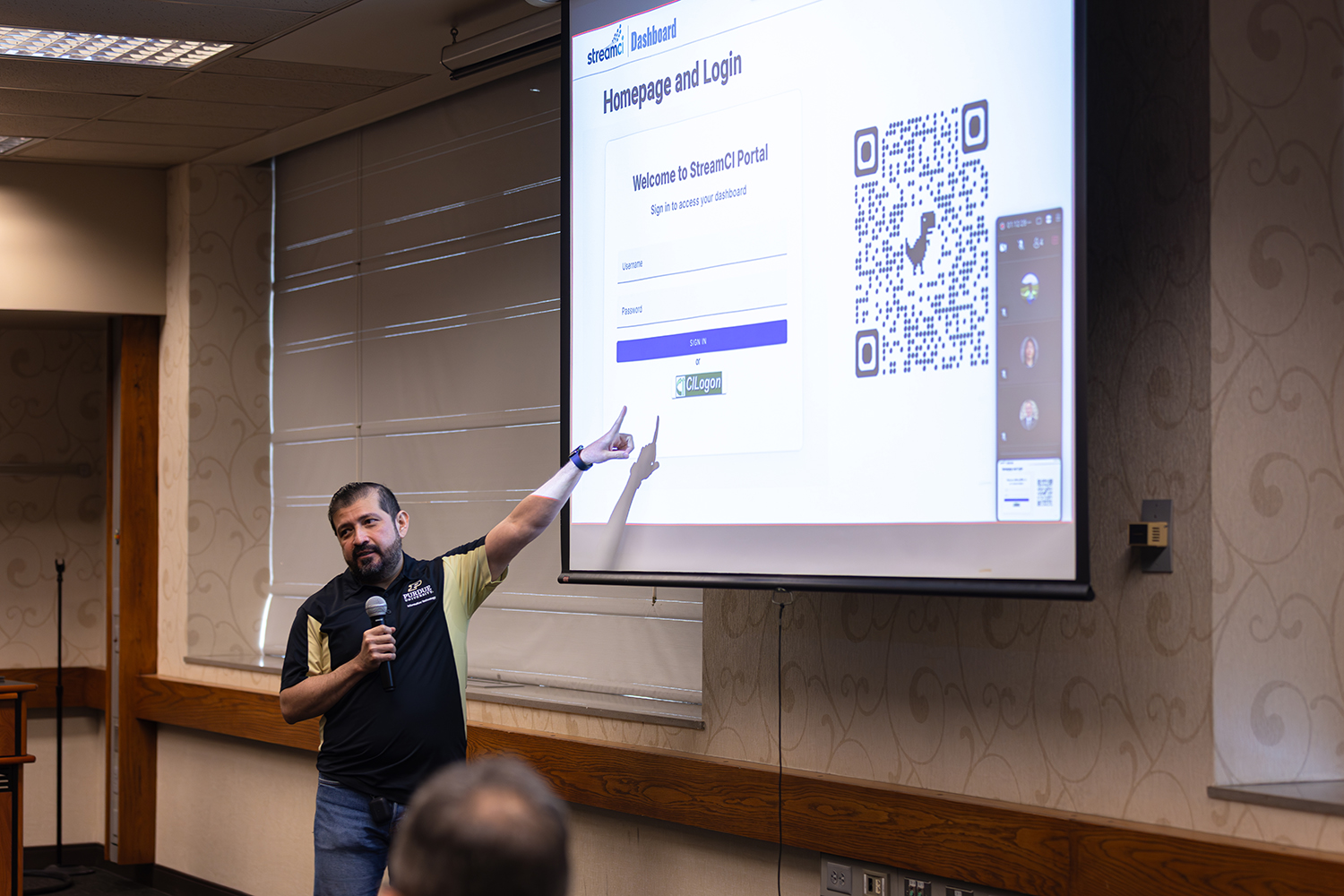
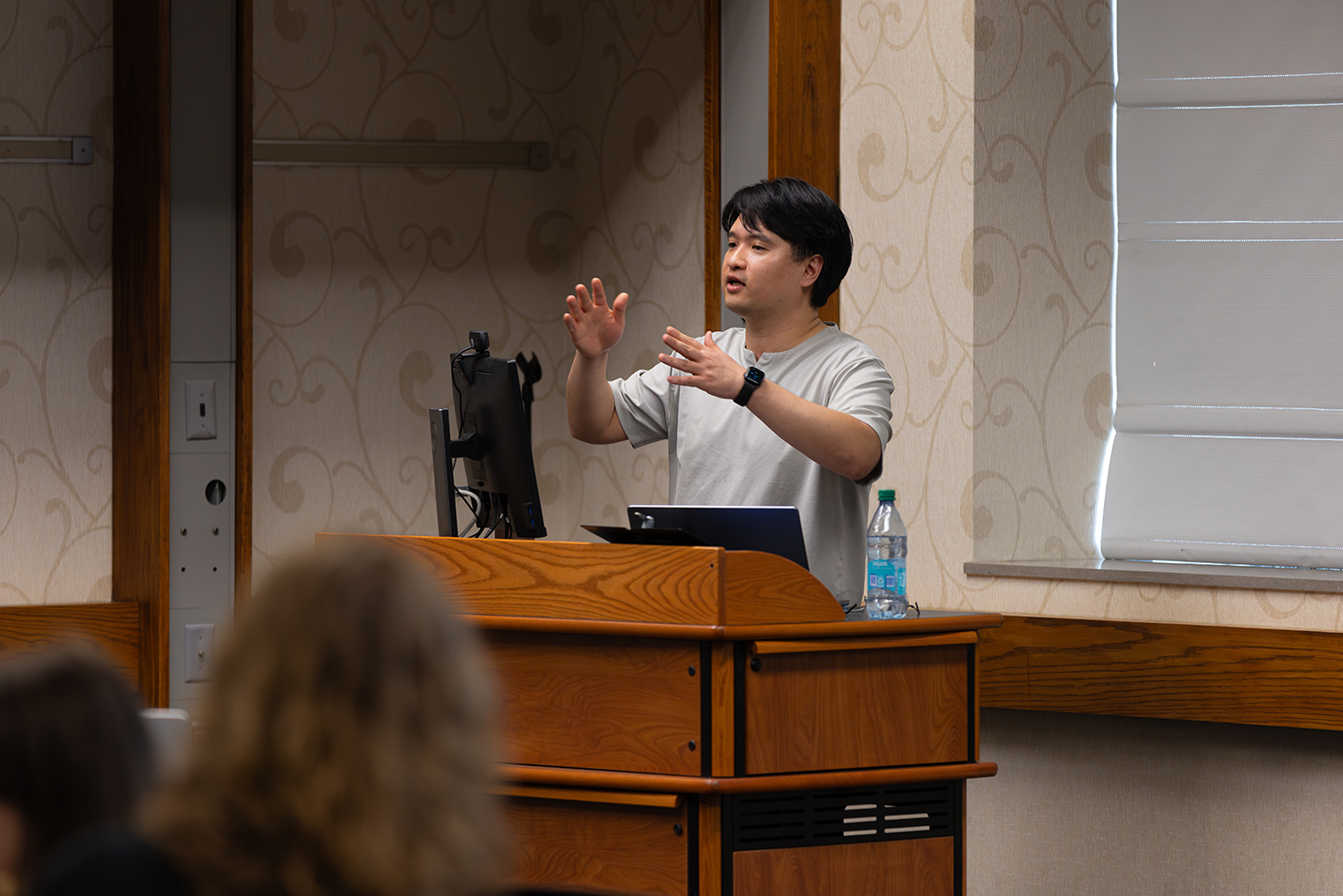
The workshop began with a light breakfast, coffee, and networking before proceeding to opening remarks and an overview of the day. These were delivered by Ananth Grama, Director of the Institute for Physical Artificial Intelligence (IPAI), and Carol Song, Chief Scientist at the Rosen Center for Advanced Computing (RCAC) and Principal Investigator of the StreamCI project. The software architect Dr. Jaewoo Shin and others on the RCAC’s RSE team then gave a presentation covering the StreamCI architecture and the platform’s capabilities, followed by a live demonstration of the tool. Workshop attendees followed along on their personal computers in order to experience the platform firsthand, as well as obtain a working knowledge of where they can begin in their own research.
After the live demonstration of StreamCI, the workshop highlighted four unique use cases to the attendees via faculty research presentations:
1) Energy Sustainability—Ming Qu, Professor of Civil and Construction Engineering
- Professor Qu’s work uses StreamCI to support real-time building energy analytics by integrating streaming data from weather, grid signals, control setpoints, and HVAC systems. The platform enables data curation, semantic annotation, and preprocessing to support machine learning model development and deployment. Using these capabilities, the project supports energy prediction, fault detection, and system optimization. StreamCI provides a unified environment for developing and deploying data-driven building energy applications.
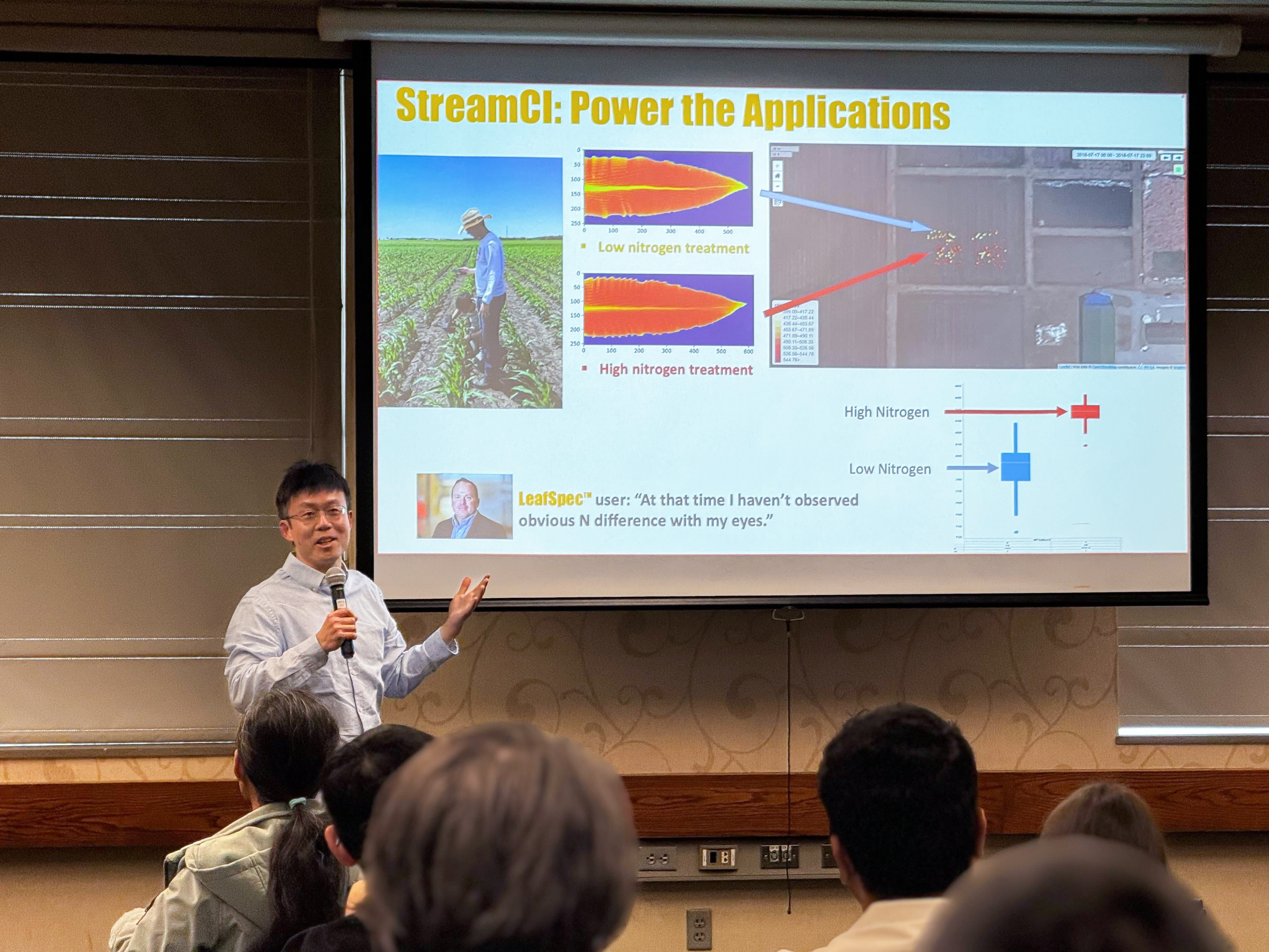
2) Crop Health & Pesticide Control—Jian Jin, Associate Professor, Agricultural & Biological Engineering
- Professor Jin’s project uses StreamCI to integrate hyperspectral imaging data, environmental data, and geospatial information for crop monitoring and analysis. The platform supports data ingestion, preprocessing, and feature extraction to enable machine learning model development for plant health assessment. StreamCI enables the fusion of multimodal data streams to improve the accuracy and scalability of crop phenotyping workflows. This supports timely, data-driven decision-making in precision agriculture.
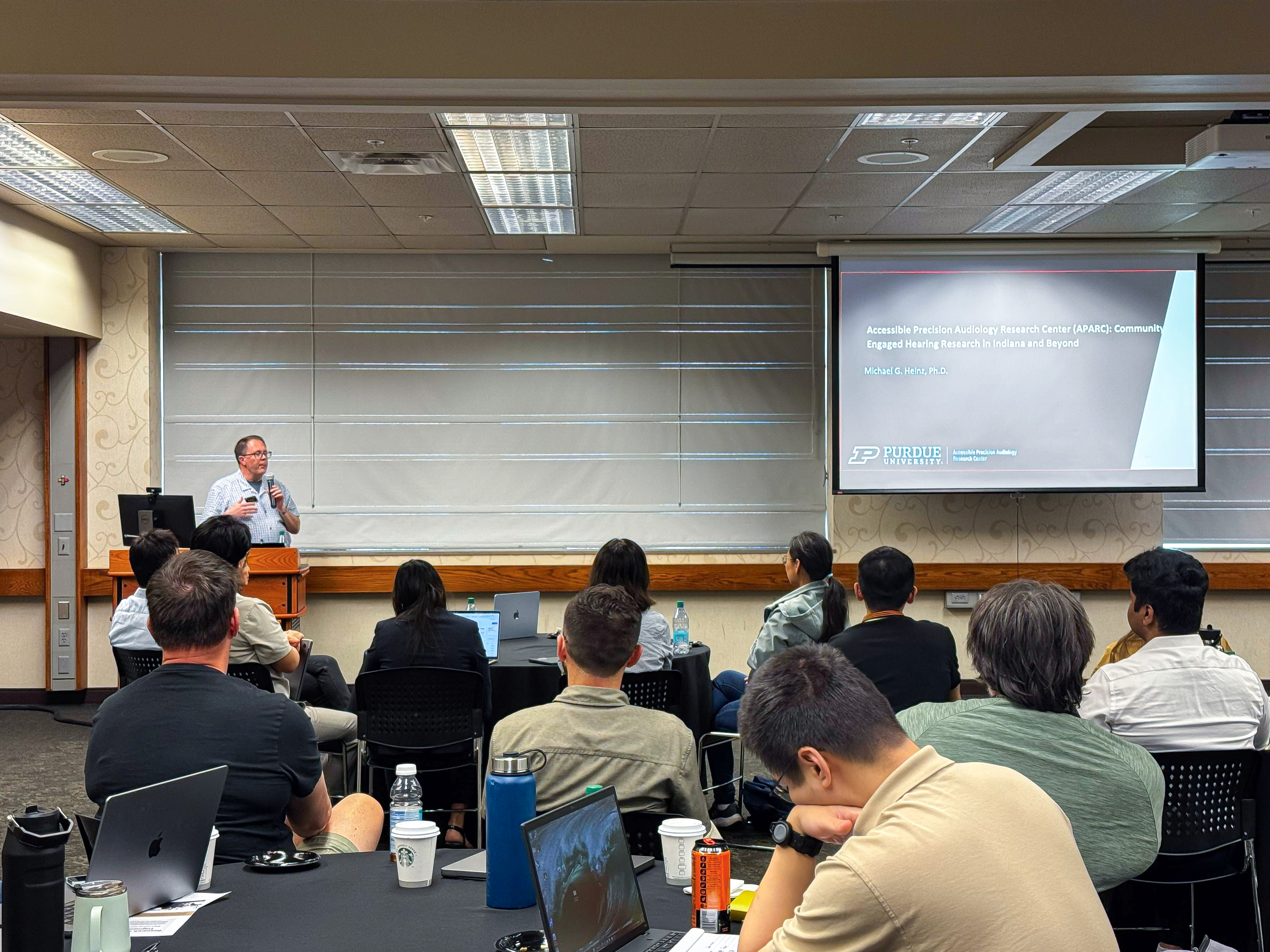
3) Precision Audiology—Michael Heinz, Interim Head and Professor of SLHS and Professor of Biomedical Engineering, Professor of Speech, Language, and Hearing Sciences and Biomedical Engineering
- Professor Heinz’s research uses StreamCI to integrate heterogeneous auditory datasets, including audiograms and physiological measurements, across species and modalities. The platform supports data ingestion, normalization, and annotation to enable machine learning model development for auditory analysis. StreamCI enables the creation of individualized auditory profiles based on integrated datasets. This approach supports improved understanding and diagnosis of hearing loss.
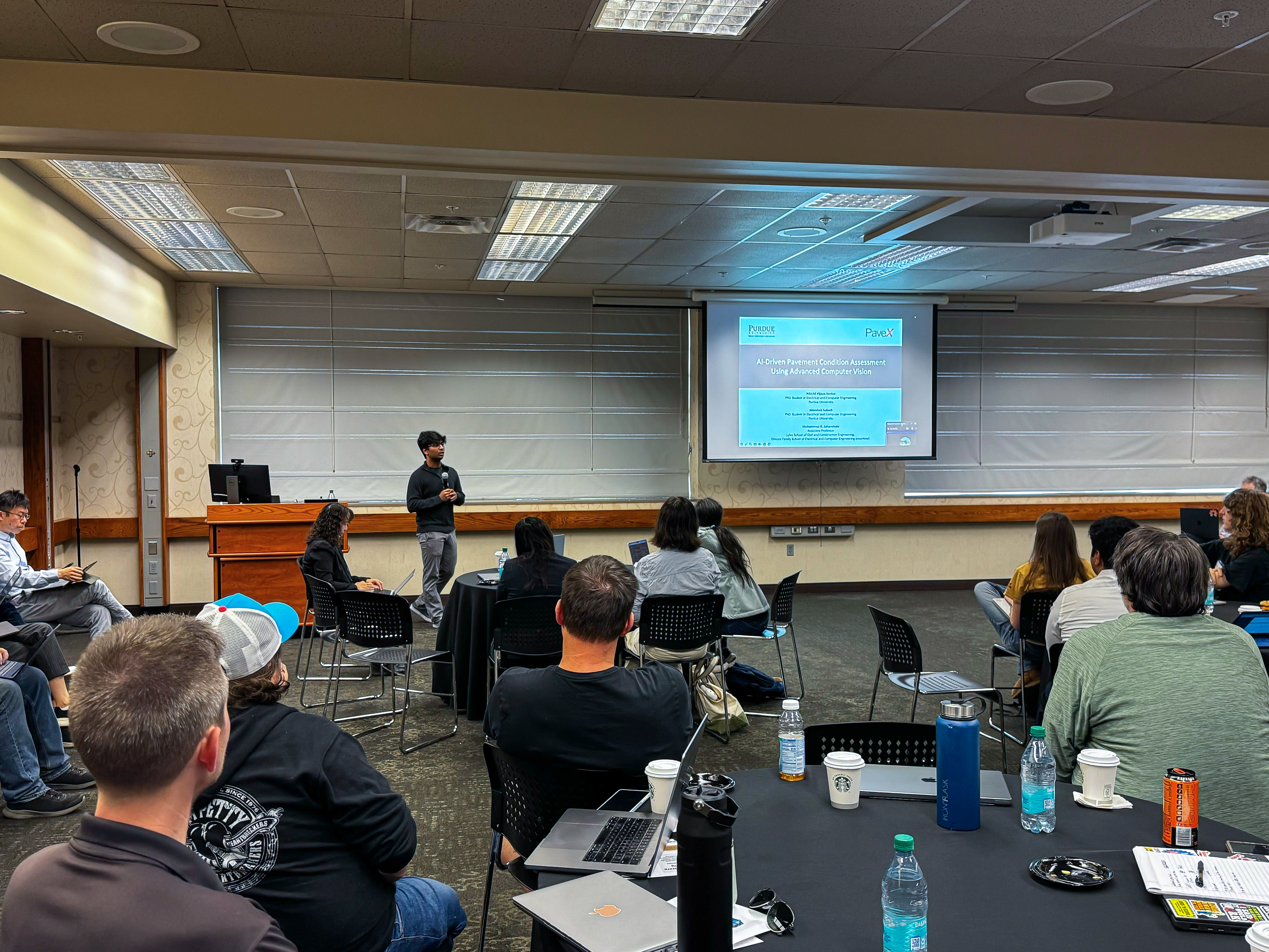
4) Pavement Monitoring—Nikkhil Sankarand, PhD Student, on behalf of Mohammad Jahanshahi, Associate Professor of Civil and Construction Engineering
- Professor Jahanshahi’s project uses StreamCI to support pavement condition assessment by integrating multimodal data streams from vehicle-mounted sensors, including images, vibration data, and geolocation. The platform enables data ingestion, preprocessing, and AI-based analysis for defect detection and classification. StreamCI supports the computation of pavement condition indices and the development of visualization dashboards. This enables scalable and cost-effective roadway monitoring.
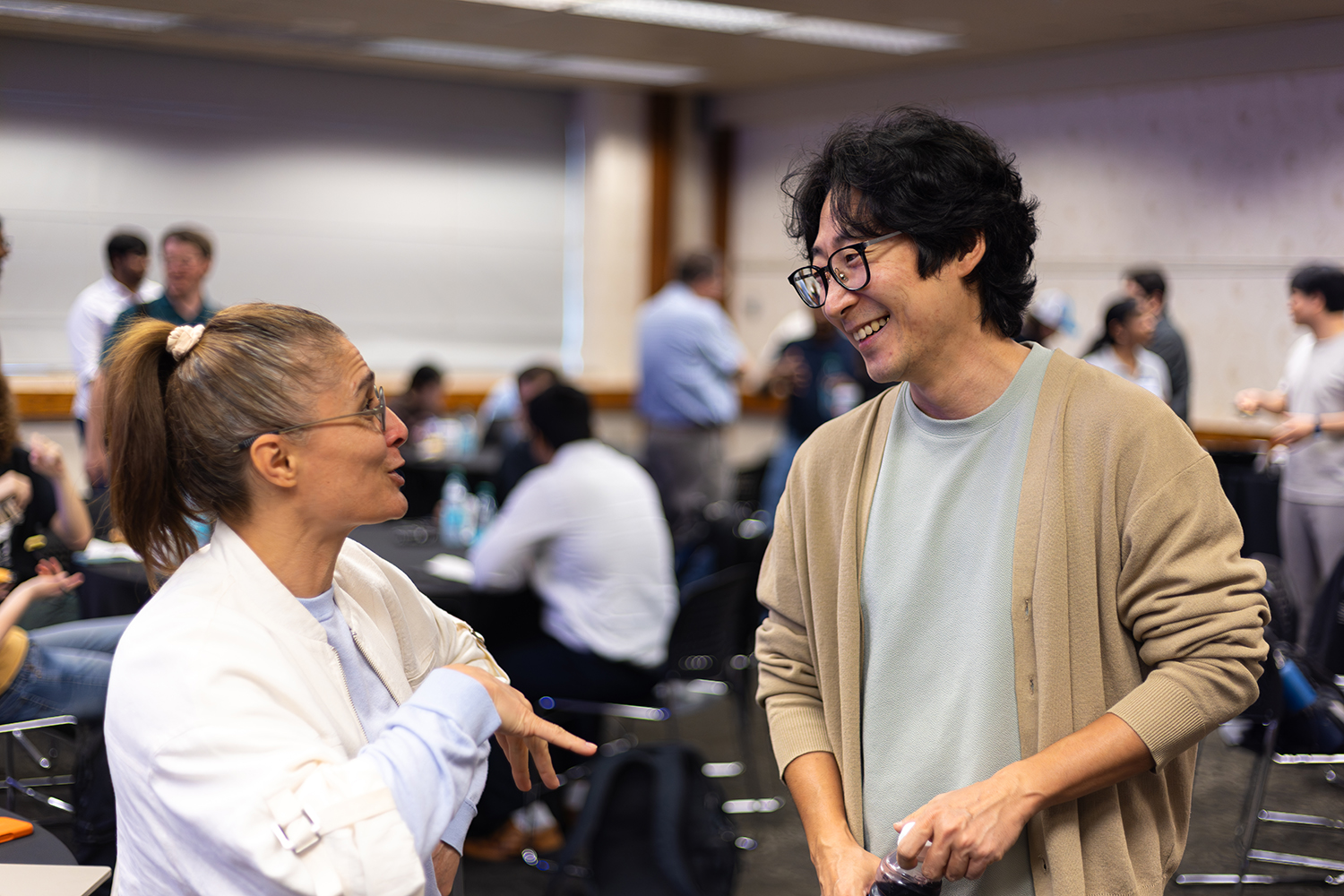
Following the StreamCI use-case presentations, attendees were encouraged to ask questions, network, and brainstorm on how they could utilize the advanced data-streaming platform. Great discussions ensued and multiple future projects were ideated. Overall, the workshop was a huge success, bringing together researchers from across Purdue to explore how StreamCI can enable their data-driven research. To learn how to utilize StreamCI for your work, please visit: StreamCI Tutorial
The Purdue Center for Research Software Engineering (aka the RSE center) is a university-approved center within the Rosen Center for Advanced Computing. Its official establishment recognizes the increasingly vital role that software plays in all fields of scientific research, and formalizes RCAC’s software engineering efforts at RCAC to better support research at Purdue. The RSE center’s mission is to help accelerate research and increase its impact through the creation of innovative, robust, and sustainable research software.
RCAC operates the centrally-maintained research computing resources at Purdue University, providing access to leading-edge computational and data storage systems as well as expertise and support to Purdue faculty, staff, and student researchers. To learn more about HPC and how RCAC can help you, please visit: https://www.rcac.purdue.edu/ or reach out to rcac-help@purdue.edu to request consultation.
Written by: Jonathan Poole, poole43@purdue.edu